Most family trips fail in the planning, not at the airport. They fail when the itinerary is written for the adults you used to be: four museums, a twilight food tour, a “quick” ferry, a dinner reservation that assumes someone will still be cheerful at 7.30pm. Children do not sabotage holidays out of spite. They tell the truth about energy, heat, hunger and noise. This site exists to help you hear that truth before you pay for the wrong shape of days.
Traveling with Kids is a rebuild of a long-running Australian blog that once mixed destination notes, toddler tips, Bali and Fiji essays, and a habit of publishing numbered lists. The heritage titles remain — twenty beaches, twenty hotels, fifty tips — because people still type those questions. The answers do not. We do not rank the world. We do not invent prices, operators, events or quotes. We write planning essays: how to choose, what to pack into a day, which official page to open when the topic touches health, car seats or flying with an infant.
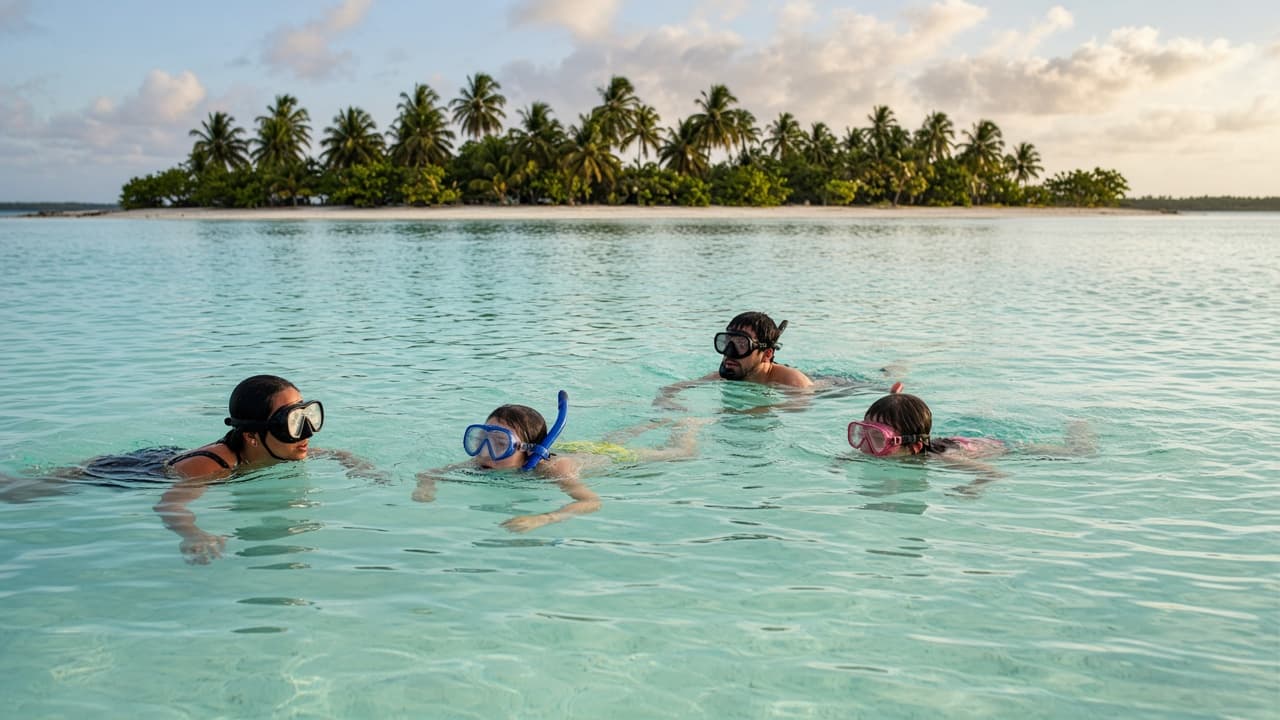
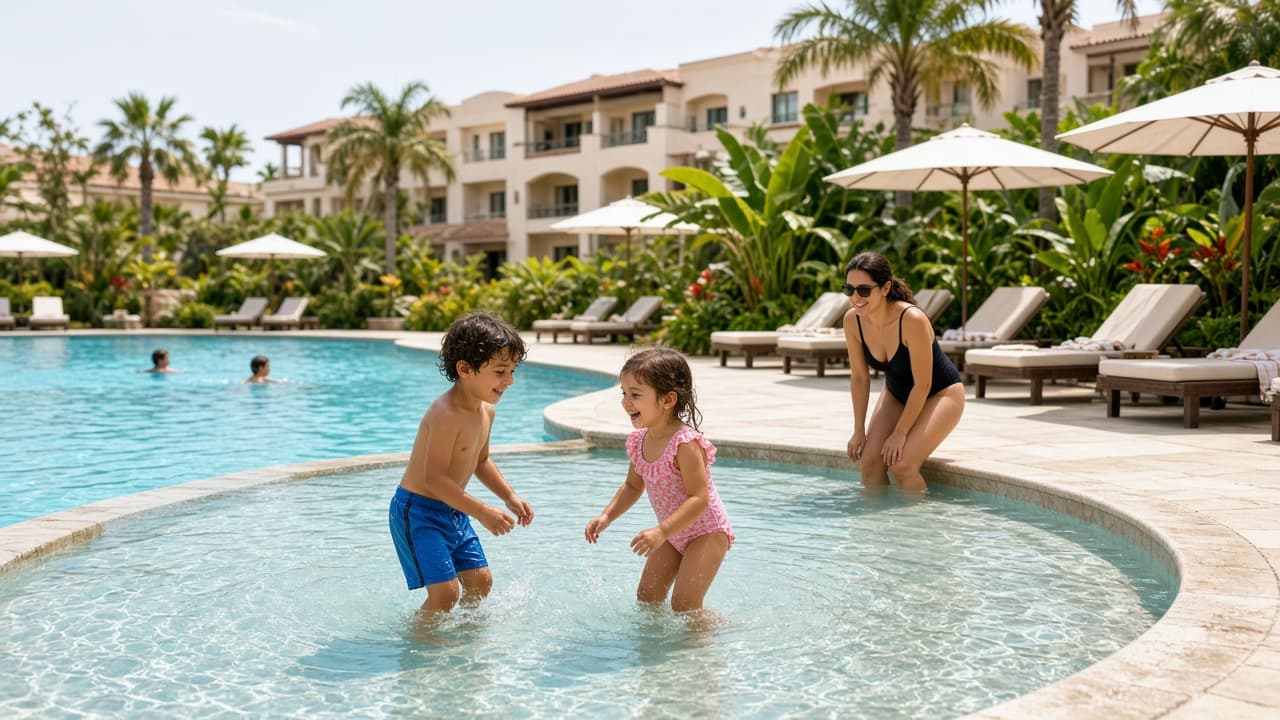
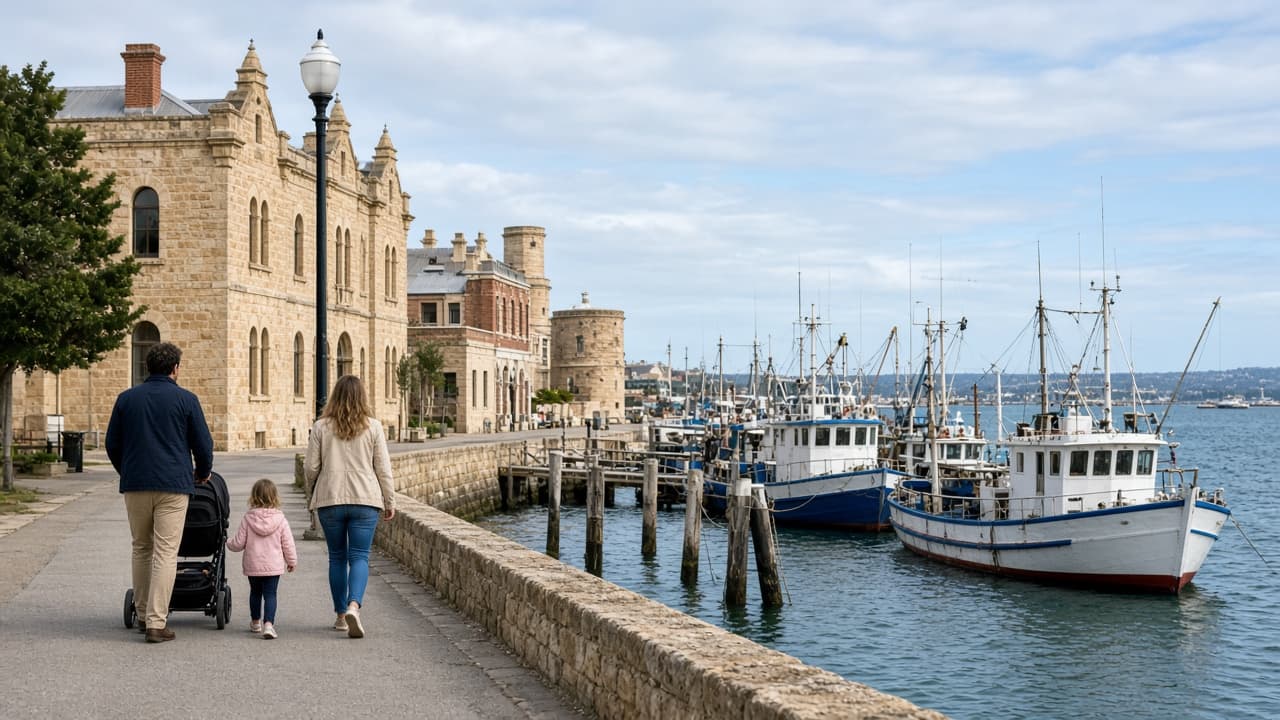
The core question is not “where is best?” It is “what will this week ask of the smallest person in the room?” A lagoon with shade and a shallow entry can be a better family destination than a famous cliff. A studio with a kitchen can beat a suite that photographs well and has nowhere to heat pasta at 5pm. A 90-minute Fremantle wander can be a better Saturday than a themed day that requires queues your toddler cannot yet understand.
Start with constraints, then choose geography. Constraints look boring on a mood board and they save the trip: nap windows, pram vs carrier, whether anyone still needs a child restraint in a hire car, whether you can walk to dinner, whether the swimming area is separated from deep water, whether the flight lands before bedtime in the new timezone. Write those down. Then look at destinations, not the other way around.
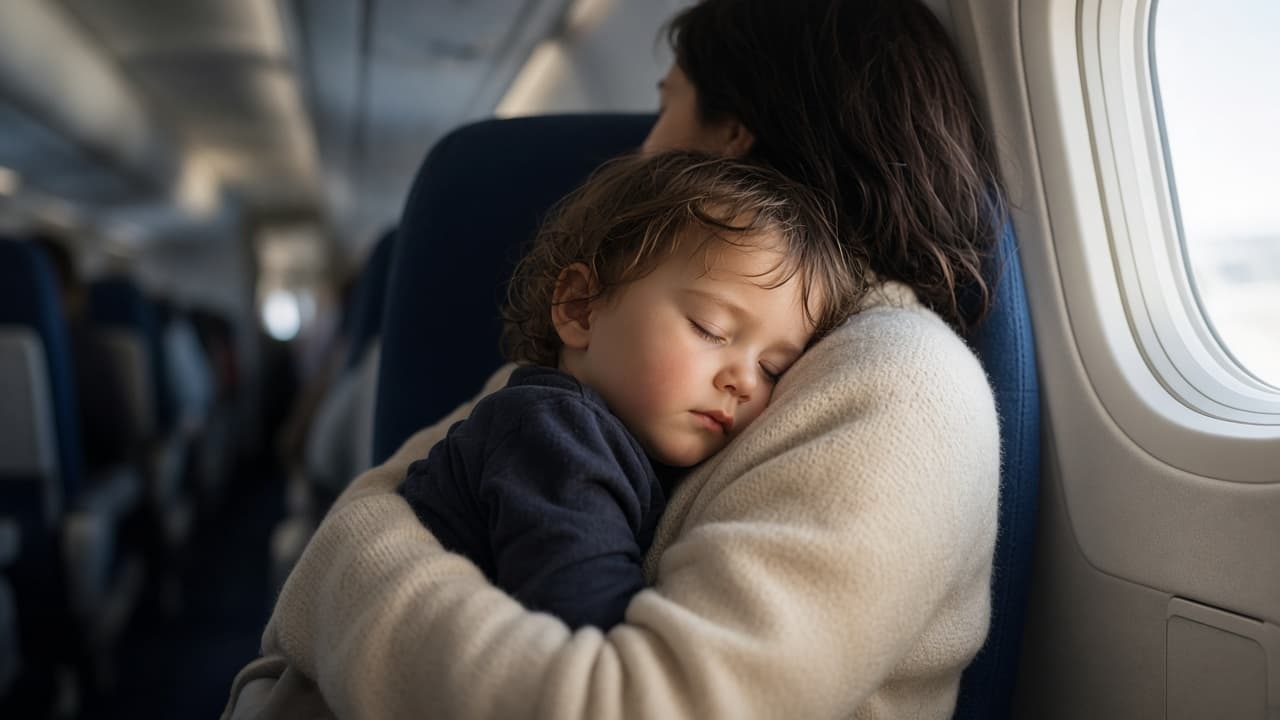
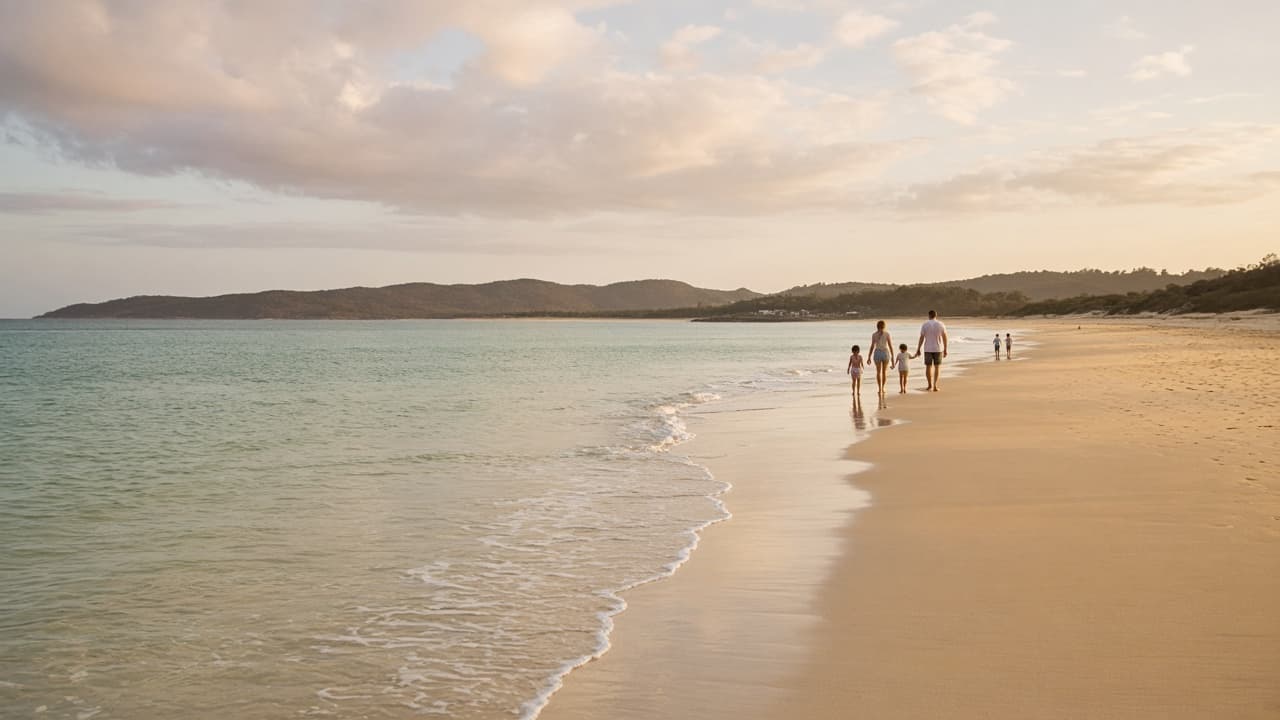
Australian families have a particular pattern. School-holiday peaks, long-haul red-eyes to Asia and the Pacific, a beach default, and a belief that “the kids will sleep on the plane.” Sometimes they do. Often they do not. The toddler flying guide treats the cabin as a small room with rules, not a parenting exam. Check CASA for aviation safety context, your airline for infant and child policies, and Smartraveller for the destination. None of those pages are replaced by a blog paragraph.
Health is the other quiet constraint. This is a travel site, not a clinic. We will not tell you which vaccine to book, which medicine to pack, or whether your child is “fine to fly.” Healthdirect exists for health information in Australia. A GP who knows your child exists for the rest. If a page here mentions heat, water, mosquitoes or cabin pressure, it is to send you to the official source and to remind you to check the current rule — not to diagnose.
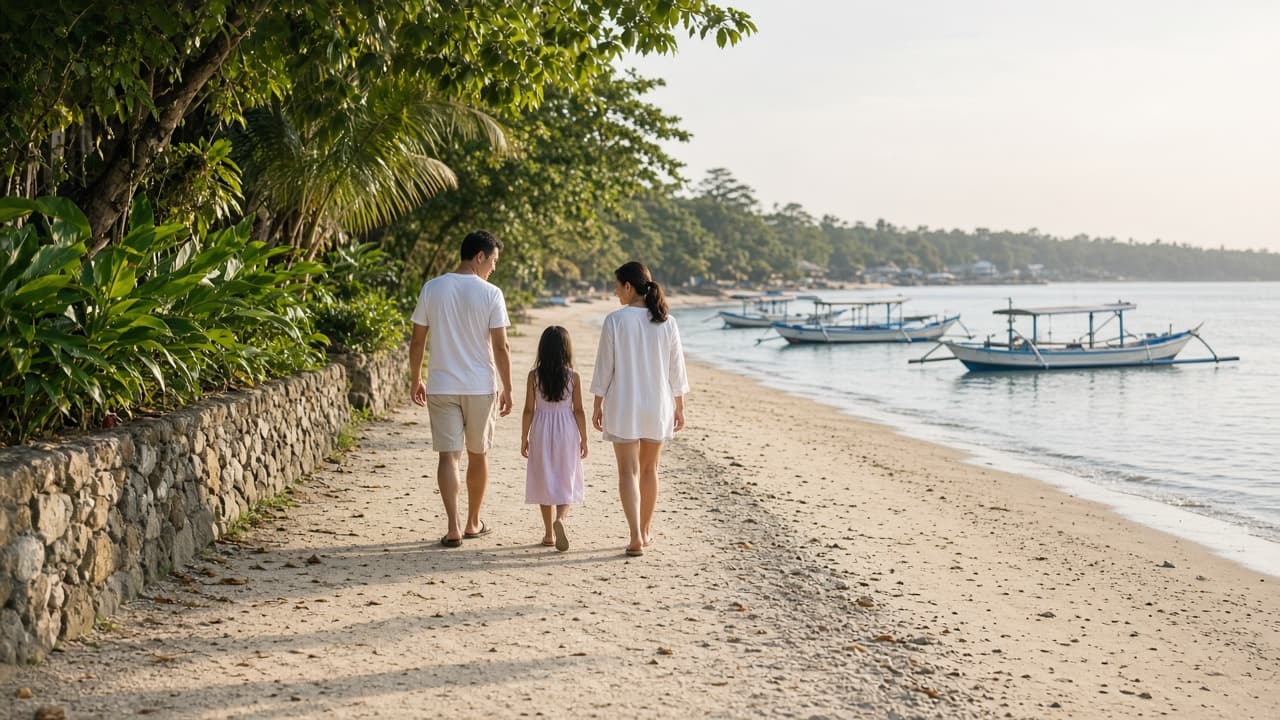
The original site loved Bali, Fiji, Hong Kong Disneyland, Fremantle, Glenelg, the Gold Coast, and the idea that a family could keep travelling after the first child arrived. Those places are still good questions. Bali is close, warm, and uneven: a south-coast path can be gentle; a scooter road is not. Fiji is water-first and transfer-heavy. A Disney day is logistics dressed as magic. Fremantle is the rare city outing that still works when you lower your ambitions. Each has a hub or a guide. None of them are “the best.” They are patterns you can steal.
Money, packing and stays sit underneath the postcard. Carrying money is about attention, not gadgets. Packing is about laundry and the one jacket that actually gets worn. Family stays is a checklist for kitchens, connecting rooms, noise and pool design — the opposite of a hotel awards list. If a heritage article named a resort, treat the name as a historical listing. Details unverified. Write to the property, or do not go.
Use this homepage as a table of contents, not a teaser. The essays are long on purpose. Capes-tier planning means you should be able to sit with a cup of tea and finish a page knowing whether the trip is kind. If you want a short answer, the FAQ puts the direct reply first, then the detail. If you want to contribute a first-hand planning piece, read write for us. If something is wrong, contact the editor.
The work of travelling with kids is mostly ordinary: water bottles, a spare shirt, a slower morning, a yes to the playground and a no to the fourth attraction. Ordinary is not a failure of imagination. It is how children see a new place long enough to remember it.