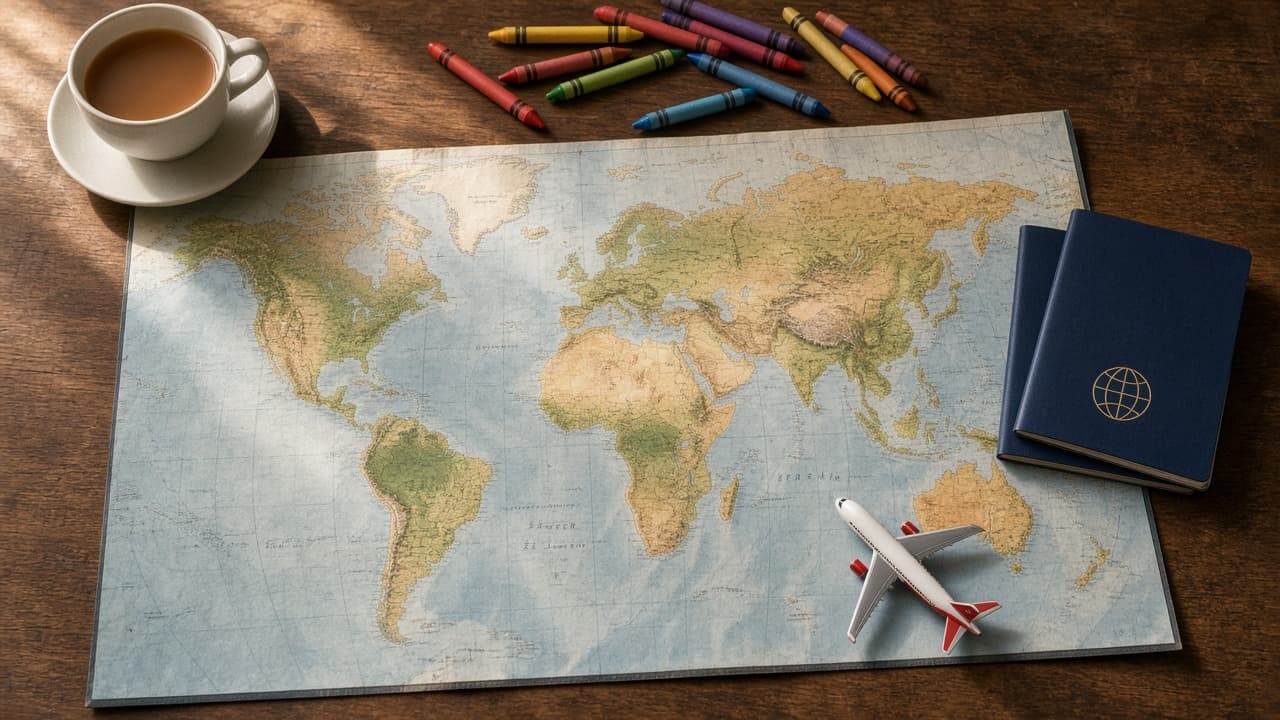
Independent family travel guide
Destinations that fit the children, not the brochure
A planning lens for beaches, islands, cities and Australian day trips. We keep the old question — where is good with kids? — and refuse the fake top-twenty.
The most useful destination question is not “where is best for families?” It is “which place will still be kind at 3pm?” Postcards are shot in the first hour after breakfast. Family travel lives in the last hour before dinner, when the smallest person has used up their novelty and the adults are pretending they have not.
This hub exists because the archive kept promising ranked lists — twenty beaches, twenty hotels, great family vacation spots of the world. Rankings age badly and they pretend that a reef, a suburban lagoon and a city fountain are comparable. They are not. A family-friendly destination is a bundle of boring assets: shade, toilets you can reach with a pram, drinking water, a way to leave early, food that arrives before a meltdown, and water that has a shallow story rather than a riptide story.
Beaches without a league table
A family beach is usually a sheltered bay, a lagoon, or a patrolled stretch with a gentle gradient. It has a place to sit that is not scalding sand. It has a way back to the room that does not require a cliff stair. It is not automatically the most famous beach in the district. Famous beaches collect wind, swell and people who are there to be seen. Children collect shells and then need lunch.
When you compare coasts, look at three maps at once: the swell map, the shade map, and the toilet map. If you cannot find all three, pick another cove. For a fuller essay on that method — and a rebuild of the heritage “best beaches for kids” URL — read how to choose a family beach.
Australian families already know a version of this. Glenelg has a jetty and a tram. Coolangatta has a corner that can be kinder than a wilder stretch of the same coast. Fremantle is not a beach town in the postcard sense and still works as water-adjacent walking. The Australia hub treats those as planning patterns, not trophies.
Islands and heat
Bali and Fiji sit in the same mental folder for many Australian parents — warm, relatively close, “the kids will swim” — and they are not the same trip. Bali is a large, busy island with south-coast paths, temple days, and roads that were not designed for a family crossing with a toddler. Fiji is more water than road, which sounds idyllic until you count boat transfers with a child who is done. Read Bali with young kids and Fiji at family pace as two different answers to the same Australian school-holiday impulse.
Heat is a destination feature, not a footnote. Small children overheat in queues, in cars without rest stops, and on temple stairs at noon. This is not a diagnosis. It is a reason to schedule the outdoor piece of the day early, to treat air-conditioning as infrastructure, and to read Healthdirect if you need health information rather than a travel paragraph.
Cities, theme days and the hidden destination
A city can be an excellent family destination if you treat playgrounds as the primary attraction and museums as optional rooms you may leave. Darling Harbour’s playground logic, a tram to Glenelg, a Hong Kong park day, a New York block with a five-year-old — these only work if the hotel is a nest you can return to. The destination is often the radius around the room, not the skyline.
Theme parks are destinations with a timetable. They ask for stamina, sun strategy and a willingness to skip the thing you thought you came for. See the theme park planning guide and the Hong Kong and California essays if that is the trip you are actually taking. Do not collect parks because a list told you to.
Safari, Japan’s seasons, and longer-haul ideas belong here only if you can name the constraint they solve. A seasonal Japan trip can be gentler than a summer island if your children wilt in humidity. A wildlife trip can be extraordinary and also a lot of sitting. Read the specific guide, then Smartraveller for the country, then decide.
How to choose, in one sitting
Write the ages. Write the nap. Write the flight length you will actually tolerate. Write whether you need a kitchen. Write whether anyone still requires a child restraint — and then open the road-safety page for the state or country rather than trusting a blog. Choose a destination whose ordinary afternoon looks like a life you can live. If the ordinary afternoon only works for Instagram, it is not a family destination. It is a photoshoot with witnesses.
Start with the question you actually have
Where to go with kids
A planning lens for beaches, cities, islands and Australian day trips — not a ranked list.
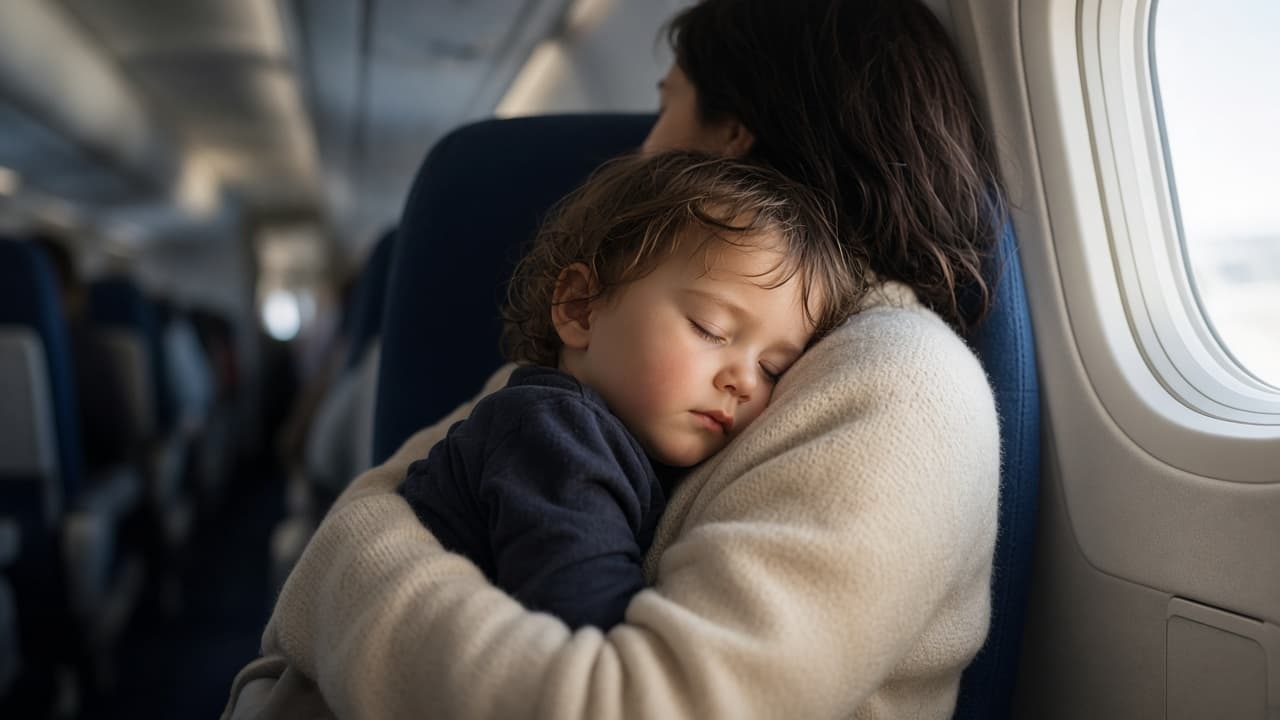
Toddlers on the move
Flying, napping, and the slow logistics of travelling before children can explain what they need.
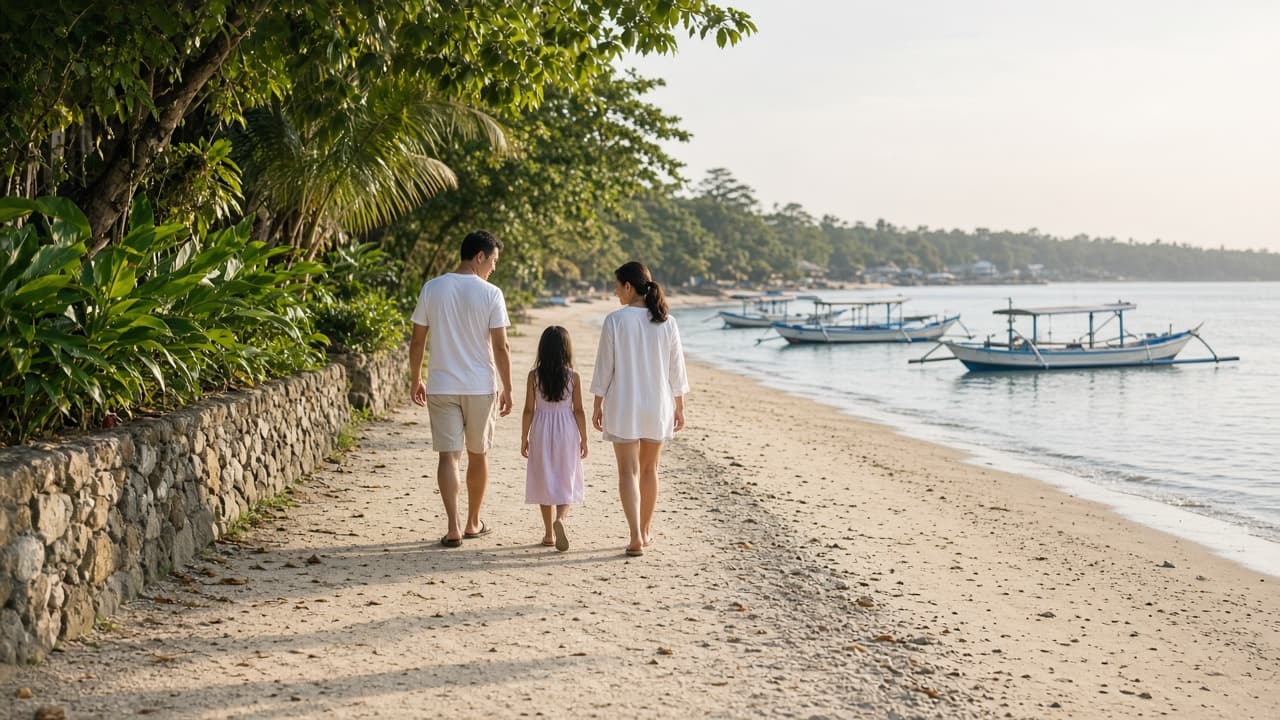
Bali with young kids
South-coast rhythm, heat, water safety and what Australian families usually check before they book.
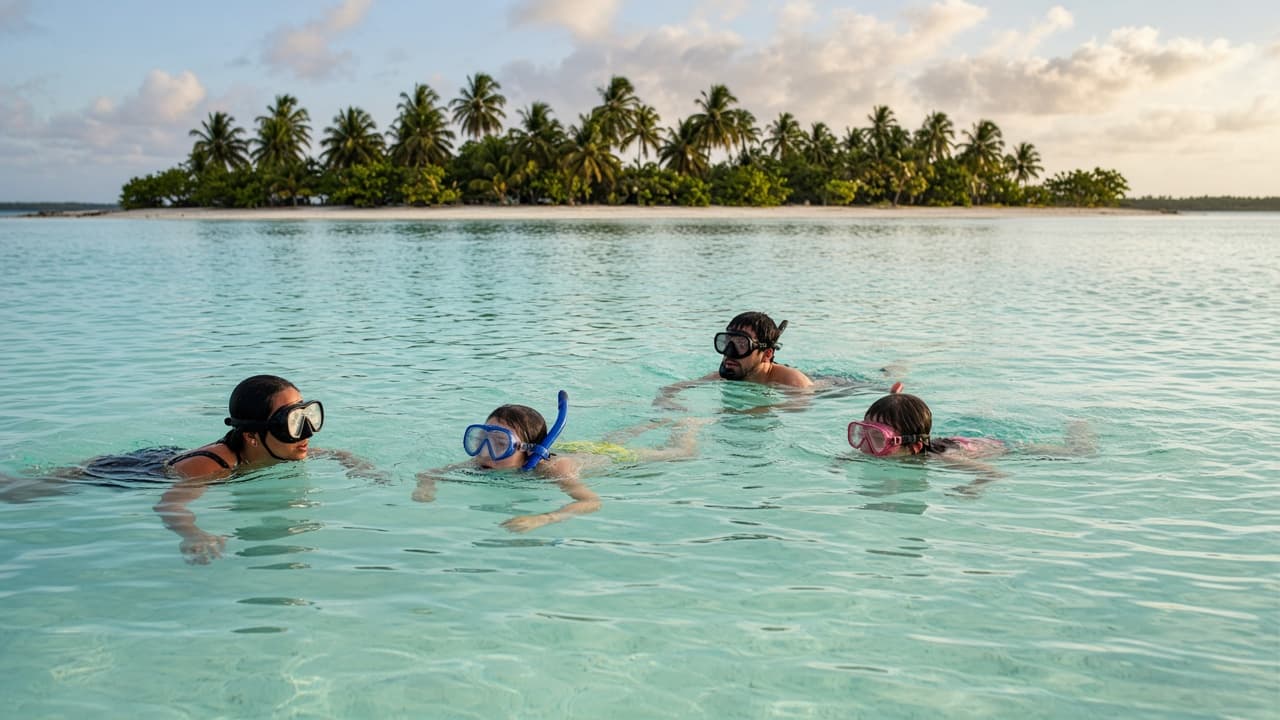
Fiji at family pace
Lagoon days, island transfers and how to judge whether a Pacific trip matches your children's ages.
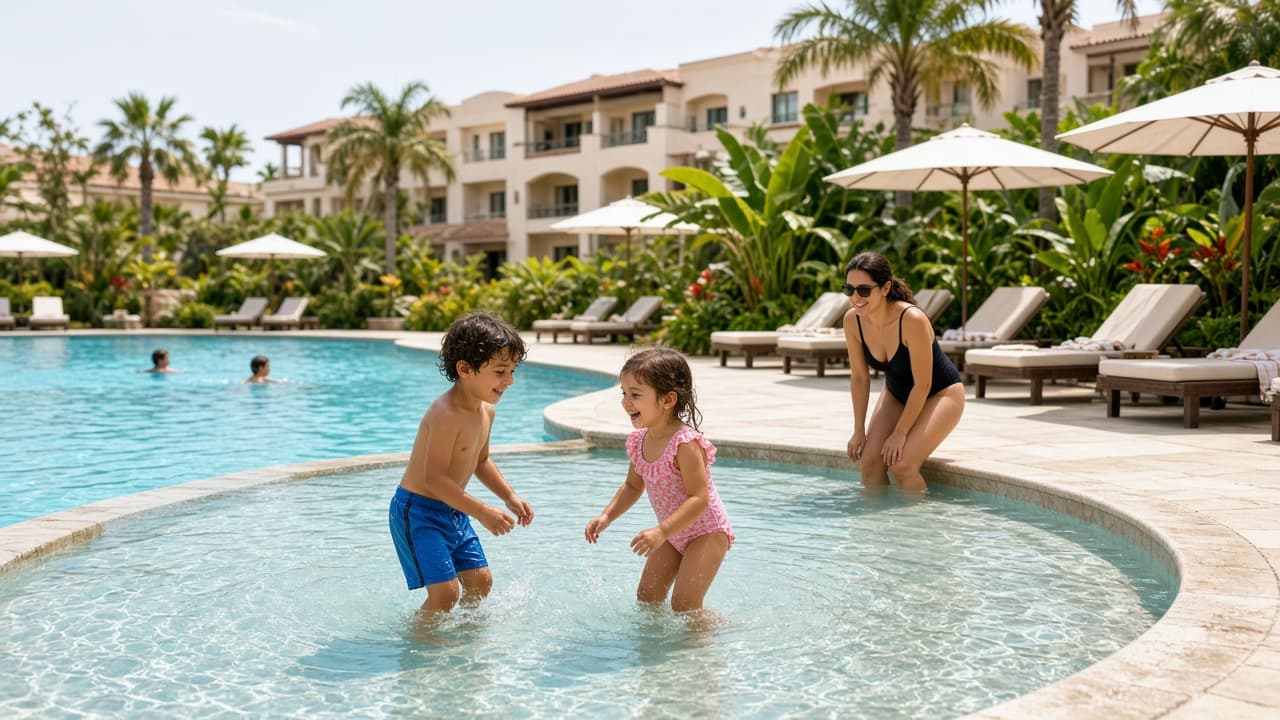
Choosing a family stay
Rooms, kitchens, noise and swimming-pool design — a checklist instead of a hotel ranking.
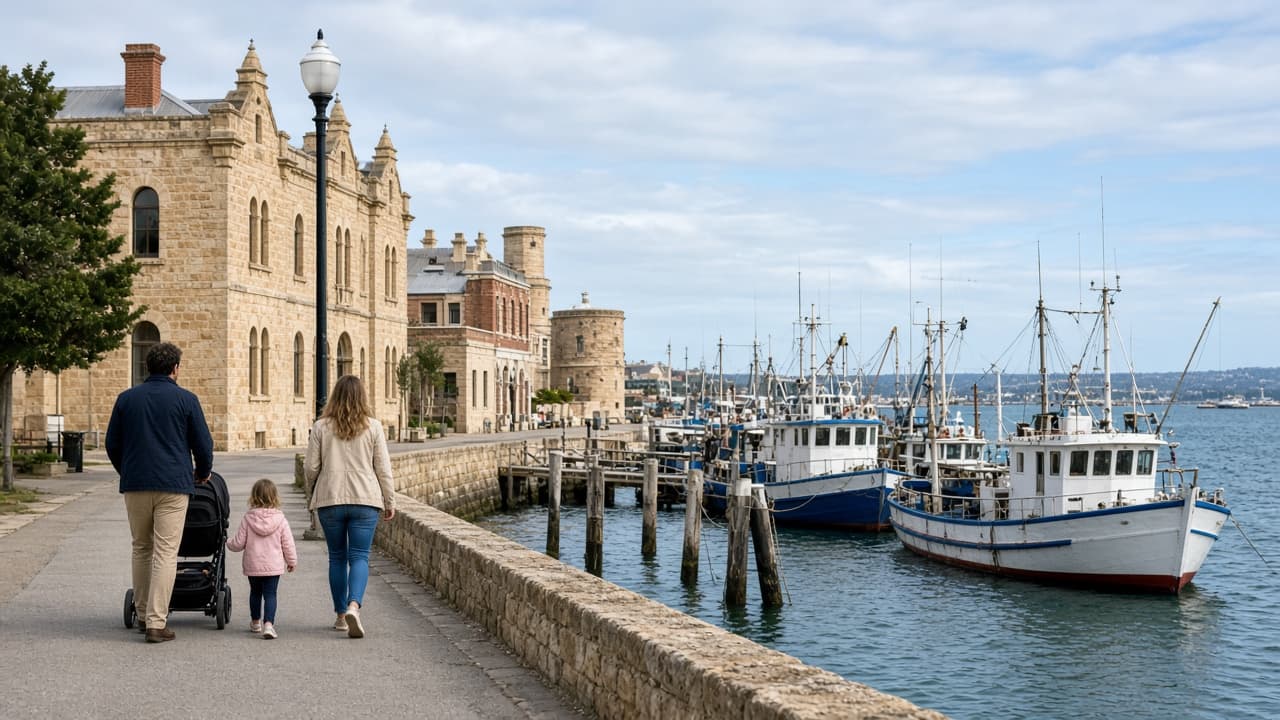
Australia with kids
Fremantle days, Gold Coast beaches, playground cities and the road rules that sit underneath every trip.
Beaches without a fake top-twenty
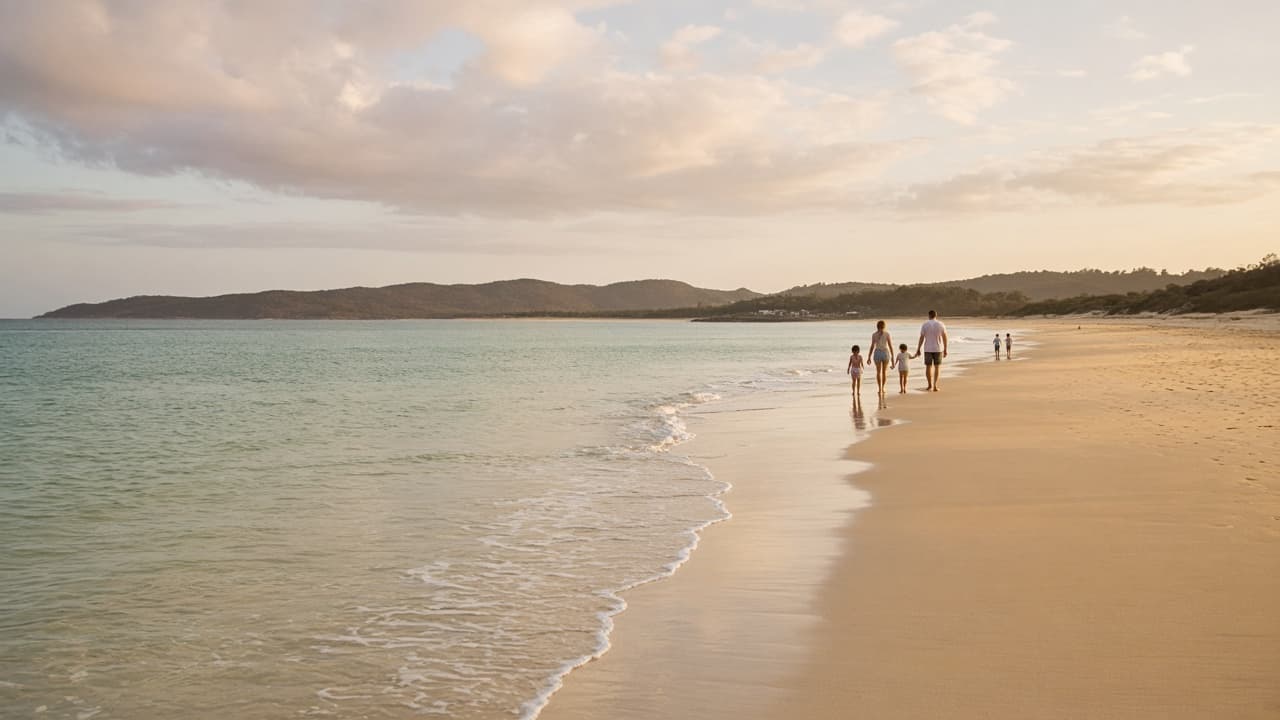
The heritage URL promised the twenty best beaches in the world for kids. The rebuilt guide keeps the question and drops the ranking: how to tell a family beach from a postcard.
What families always ask
Best family-friendly beaches for kids?
Look for a sheltered bay or lagoon with a gentle slope, shade, toilets you can reach with a pram, and a short walk back to the room. Famous beaches are often windier and busier than family beaches. Skip world rankings — match the coast to your youngest child’s energy and to patrolled swimming where it exists.
Ask a planning question
This is an independent guide, not a booking desk. If a page is unclear, or you want a topic added, send a note — we read every message.