Independent family travel guide
Australia with kids — days that survive the afternoon
Fremantle, the Gold Coast, Glenelg, playground cities and the road rules underneath every family trip at home.
The easiest family destination for Australian parents is still Australia, and it is still easy to over-plan. We live here, so we assume we already know how to do a Saturday. Then we add a peak-hour drive, a paid attraction with a timed entry, a lunch booking, and a child who needed the playground twenty minutes ago. Domestic travel fails for the same reason international travel fails: the itinerary was written for adults with coffee.
This hub is for the home map. It rebuilds the old Perth, Melbourne, Sydney, Gold Coast and South Australia category pages as one planning idea: keep the radius small, keep the exit easy, and treat official road and health rules as current while this prose stays general.
Fremantle as a worked example
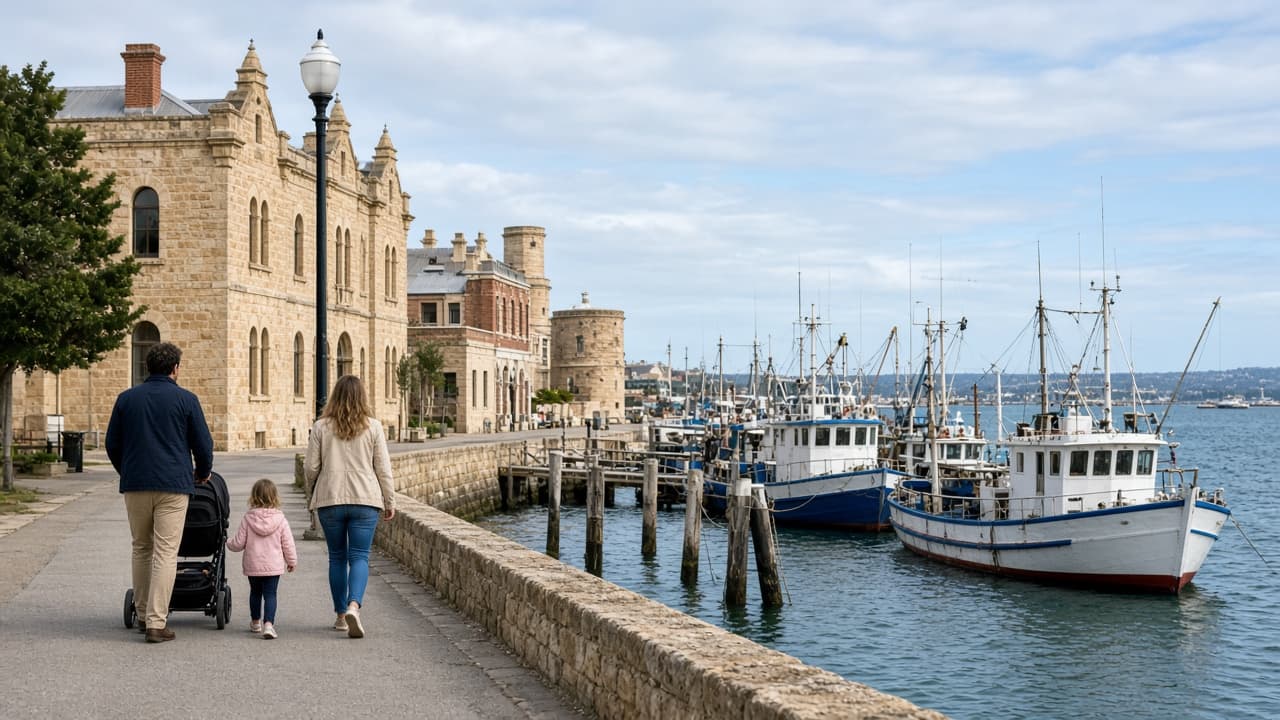
Fremantle keeps showing up in the archive because it is a rare city outing that feels like an outing. You can take a train, walk a harbour, look at boats, find shade, and leave when the mood turns. You do not need a themed ticket. You do not need to “do” the whole west end. The Fremantle day-trip guide is the long version of that Saturday. If you only remember one domestic pattern from this site, remember that one: movement plus water plus an early exit.
Coasts you already think you know
The Gold Coast is not a single beach. Coolangatta’s corner, a quieter hour, and a room you can walk back to will beat a famous stretch with a long, hot stroll from the car. Read Coolangatta with kids as a coastal-pacing essay, not a surf ranking. Glenelg offers a different Australian trick — a tram, a jetty, a hold-my-hand promenade — unpacked in Glenelg in South Australia. Neither place is “the best beach in the country.” Both are usable if you refuse to schedule them like a cruise port.
Playground cities
Sydney and Melbourne are family destinations if you admit that the playground is the point. Darling Quarter is a case study in designing a city stop that children consider a destination. The Darling Harbour playground guide treats it as infrastructure: toilets, shade, a cafe radius, a way to leave without a tantrum in a tunnel. Museums, ferries and sports stadiums can be added after the playground has done its job. They should not be the first line in the notes app.
Yarra Valley chocolate outings, tennis-week crowds and one-off festivals appeared on the old blog as if they were evergreen advice. They are not. If you are tempted by a seasonal event, check the organiser’s current page. We will not invent dates, ticket tricks or “family days” that may not run.
The road underneath the trip
Almost every Australian family holiday includes a car. Child restraints are not a lifestyle choice. They are a legal and safety system that differs by state and by the child’s size and age. This site will not tell you which seat to buy or when to move a child up a category. Open the authority that actually writes the rule: NSW, Victoria, Queensland, and the equivalent page in the state you are driving. Hire-car companies have their own policies on top. Read both.
Long car stretches need more than a tablet. The car activities guide is about attention and stops, not about winning a silent-car contest. Plan a pause before anyone needs it. Road-trip Australia is beautiful and it is also glare, fatigue and the next toilet 40 kilometres away.
How to plan a domestic week
Pick a base with a kitchen or at least a fridge. Pick one paid attraction, not four. Put the beach or playground in the morning. Put the rest of the day in walking distance. Check fire, flood and heat warnings on official state pages rather than on social media. Healthdirect is for health questions; this essay is not. If you are flying domestically with an infant, the airline’s current policy still wins — and CASA remains the safety context, not a parenting blog.
Australia rewards families who travel like locals on a good day: late breakfast, one plan, water, shade, home before the wheels fall off. That is not a small ambition. It is the whole method.
A week at home that still feels like travel
You do not need a stamp. You need a base with a fridge, one morning that includes water, and a road-safety plan if any of the week is a car. Melbourne can be a playground plus a single indoor room. Sydney can be Darling Quarter plus a ferry you treat as the outing. Perth can be Fremantle and nothing else. Adelaide can be Glenelg and a tram. The Gold Coast can be a corner and a pool. That is not a failure to tour your own country. It is how children remember a week: repetition with a slightly different light.
If you add a festival, a tennis crowd, or a chocolate outing from the old blog’s mood, check whether it exists this year. We will not invent it. Official organiser pages win. If it does not exist, you still have the foreshore.
The child-restraint paragraph is the one Australian parents skip because they already own a seat. Hire cars, grandparents’ cars, and interstate rules still need a current page. Open it. Then go to the harbour.
Start with the question you actually have
Where to go with kids
A planning lens for beaches, cities, islands and Australian day trips — not a ranked list.
Toddlers on the move
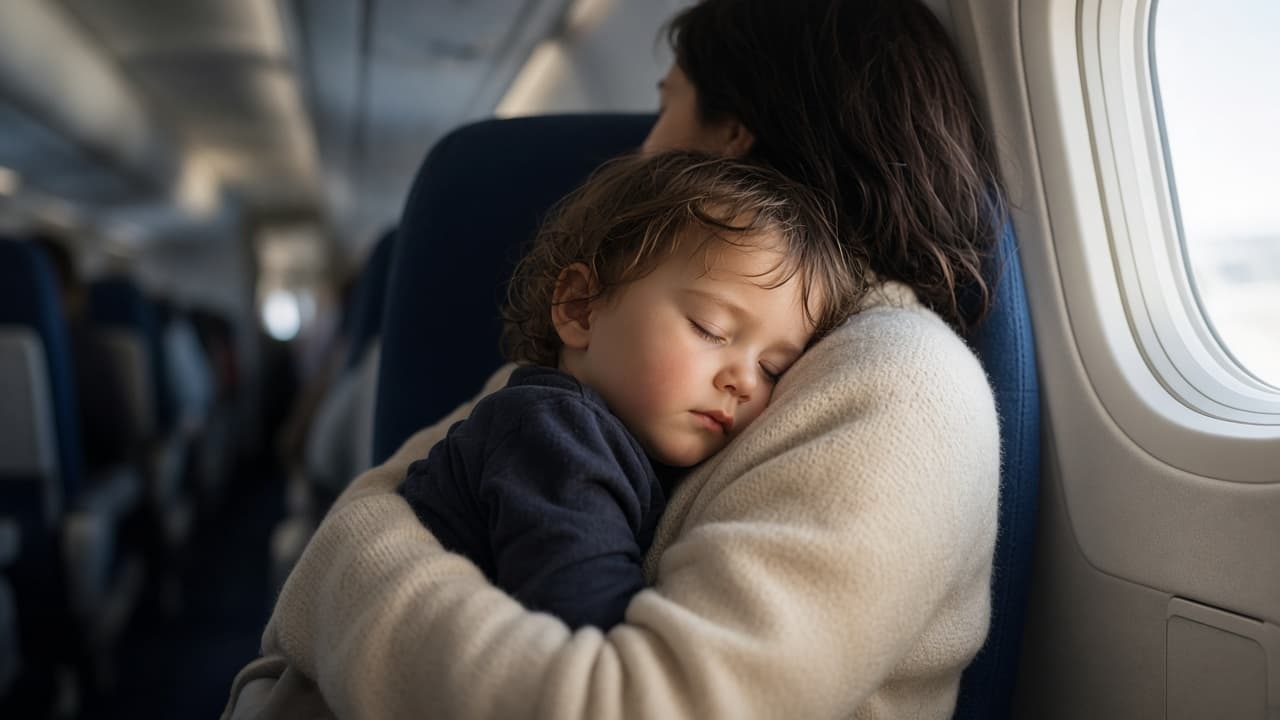
Flying, napping, and the slow logistics of travelling before children can explain what they need.
Bali with young kids
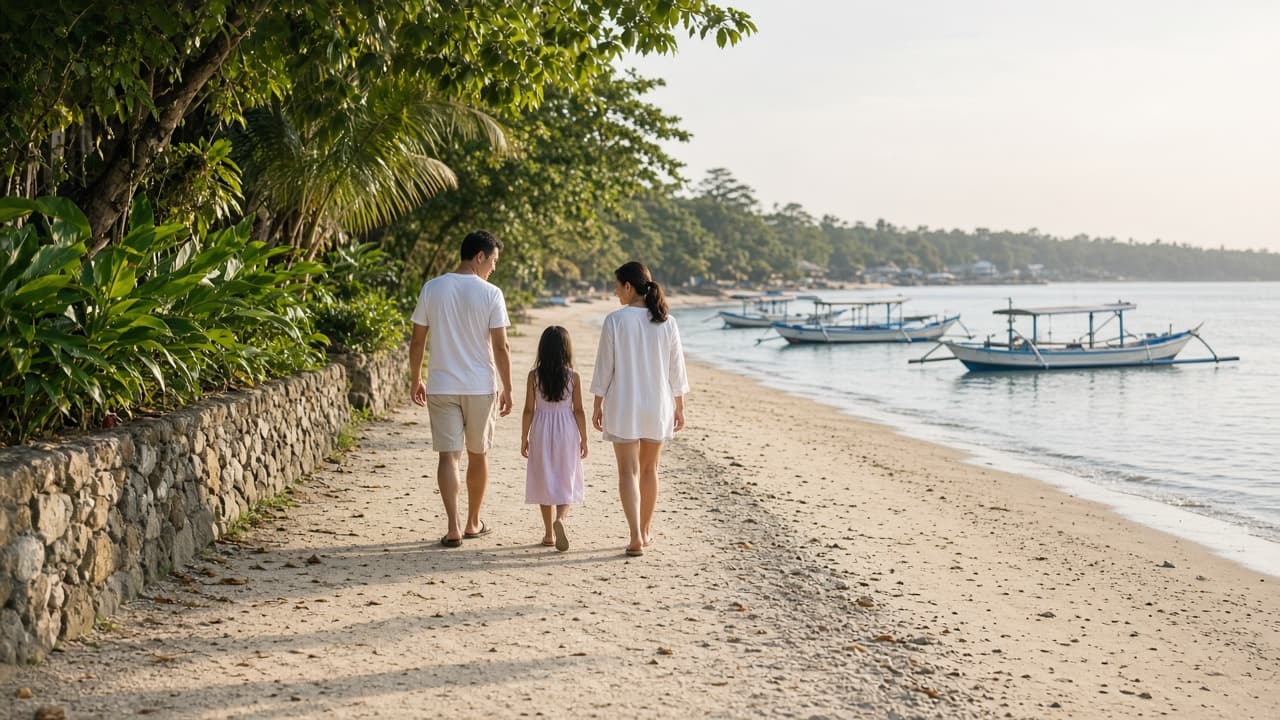
South-coast rhythm, heat, water safety and what Australian families usually check before they book.
Fiji at family pace
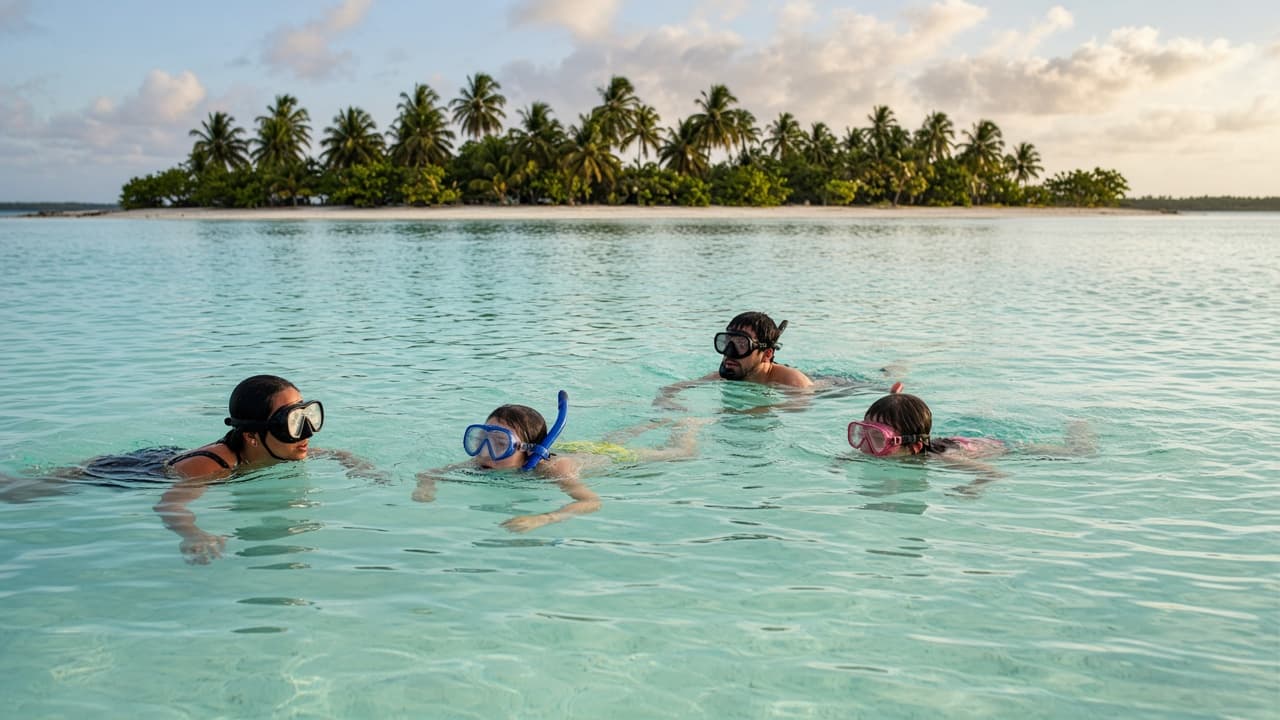
Lagoon days, island transfers and how to judge whether a Pacific trip matches your children's ages.

Choosing a family stay
Rooms, kitchens, noise and swimming-pool design — a checklist instead of a hotel ranking.
Australia with kids
Fremantle days, Gold Coast beaches, playground cities and the road rules that sit underneath every trip.
Fremantle as a worked example
Harbour, museum, train, and a pace that survives a toddler afternoon — the day trip the original site kept coming back to.
What families always ask
Fremantle day trip with kids — what to do?
Keep the radius small: train in, walk the harbour, pick one indoor room you can leave, eat early, and treat the station as a valid exit when energy drops. Fremantle works because it is a working port you can wander, not a timed attraction. Skip stacking a museum, a shopping street and a sunset into the same nap window.
Ask a planning question
This is an independent guide, not a booking desk. If a page is unclear, or you want a topic added, send a note — we read every message.